Trader known for big aluminum bets is back with wager on coppermining.com
Sharp swings and large positions have been a key topic of conversation as the industry gathers in London for the annual LME Week marathon of contract negotiations, seminars and cocktail parties.
Sherritt says it won US fuel license in push to rescue Cuba minemining.com
The approval marks a significant breakthrough for Sherritt, which suspended joint venture activities on the island in May.
Russia sells 6.2 tonnes of gold in September as bullion reserves fall to lowest level since 2019
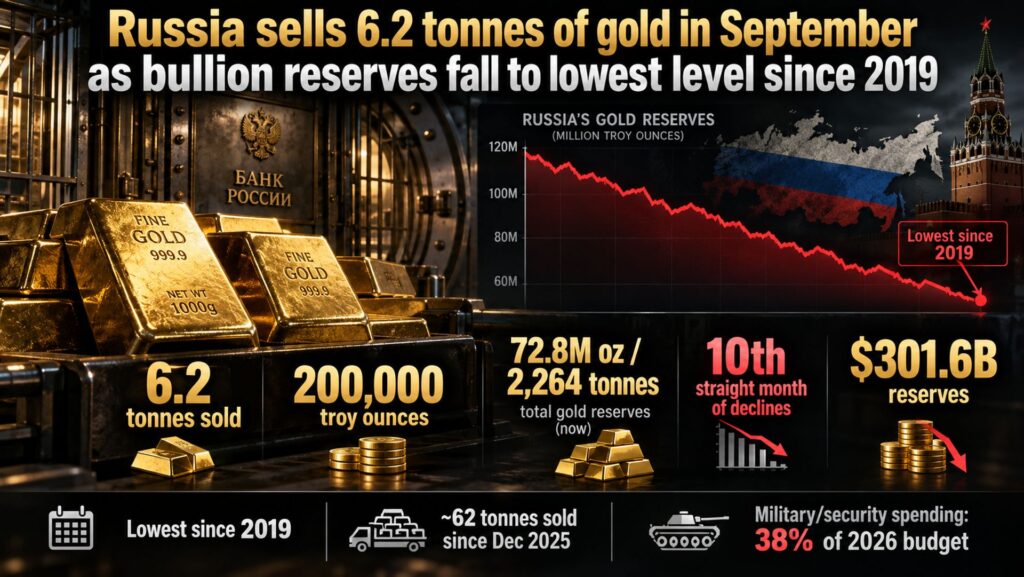
(Kitco News) – Russia sold 200,000 troy ounces of gold in September, equivalent to 6.2 tonnes, according to the latest figures released by the Bank of Russia.Last month’s bullion sales lowered Russia’s sovereign gold holdings to 72.8 million troy ounces, or 2,264 tonnes, their lowest level since the end of 2019.Russia is in the midst of its largest sustained drawdown in gold reserves since the financial crisis of 1998, with the country liquidating around 62 tonnes of the precious metal since December 2025 as the government struggles to finance a ballooning federal budget deficit.The Bank of Russia has now reduced its gold holdings for ten consecutive months, a sharp reversal of the accumulation strategy Moscow pursued in the years before its full-scale invasion of Ukraine in 2022. Military and security expenses are projected to account for 38% of total federal spending in 2026.Russia’s remaining gold reserves are worth around $301.6 billion as of the end of September, compared with $333.5 billion a month earlier.In July, Bloomberg reported that Russia’s precious metals exports to China nearly doubled in value during the first half of 2025.“Chinese imports of Russian precious metal ores and concentrates, including gold and silver, jumped 80% to $1 billion from the same period a year earlier,” Bloomberg reported at the time, citing data from Trade Data Monitor and China’s customs office. “Bullion prices have climbed about 28% this year, boosted by heightened geopolitical risks and trade tensions, alongside buying by central banks and exchange-traded funds.”Russia is the world’s number-two gold producer – second only to China – with an annual output of over 300 tonnes. Russia’s central bank was also one of the world’s biggest sovereign gold buyers, but its purchases have fallen off since the full-scale invasion of Ukraine in 2022. The People’s Bank of China continues to be among the leading central bank buyers in recent years.Russia’s gold exports to China are up in volume terms, but much of the difference is also due to the gold price rally over the last 12 months, with spot prices rising nearly 43% over the last 12 months.The country’s gold miners are also supporting rising domestic retail demand, which hit a record high last year as Russians clamored for precious metals to protect the value of their savings. Russian consumers purchased 75.6 tonnes of gold in 2024, representing approximately 25% of the country’s annual production.See live precious metals prices for gold, silver, platinum and palladium — in USD, CAD and 12 more currencies.
Hudbay, Mitsubishi OK $2.1B Copper World project

Hudbay Minerals (TSX, NYSE: HBM) and Japan’s Mitsubishi have approved construction of the $2.1-billion (C$2.9 billion) Copper World project in southern Arizona despite a 59% surge in construction costs. Scope…
Royal Mint sees record silver and platinum sales, renewed gold demand despite higher prices and rising bond yields
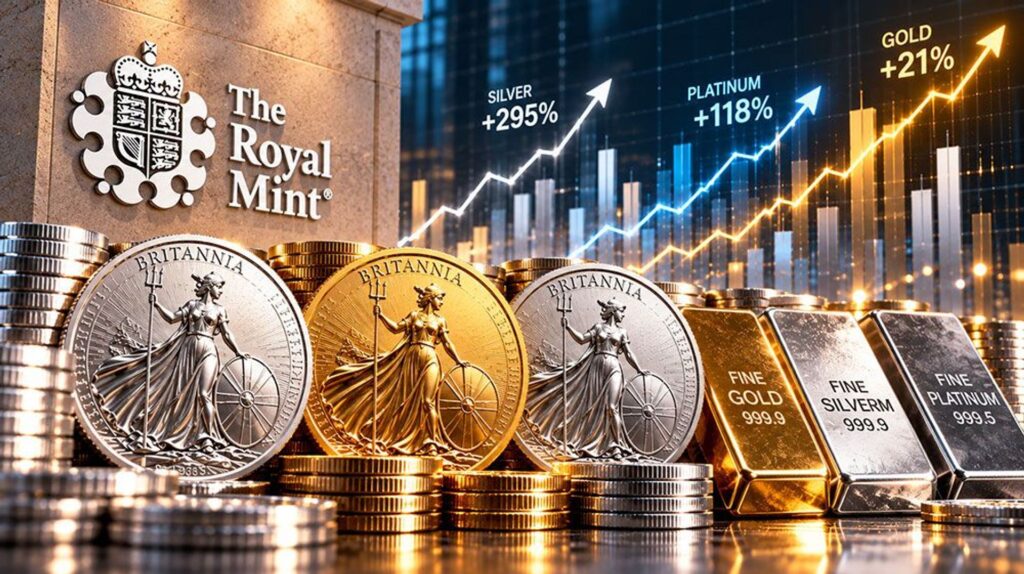
(Kitco News) – Gold and silver faced significant headwinds through the summer as persistent inflation and higher bond yields raised the opportunity cost of holding non-yielding assets. However, some investors continued to see value in the precious metals, according to the latest sales figures from the British Royal Mint.On Wednesday, the Royal Mint announced record year-to-date silver and platinum sales and renewed demand for gold bullion. The Mint does not publish exact bullion sales figures but said that revenue from silver bullion surged in the first three quarters of 2026.“Silver bullion purchases on royalmint.com increased by 295% during the first nine months of 2026, compared with the same period in 2025. Platinum bullion revenue also rose by 118%, with both metals surpassing every previous full-year total, with a quarter of the calendar year still remaining,” the Mint said in the report. “Silver bullion coins have been particularly popular, with revenue increasing by 323% year-on-year across the first three quarters. The figures point to growing interest in silver as investors explore different ways to hold physical precious metals, including UK bullion coins.”While most of the investment demand for silver and platinum came at the start of the year, the Royal Mint said it saw renewed interest in gold bullion in the third quarter.“Revenue from gold coin purchases increased 21% between July and September compared with the previous quarter, while revenue is up 10% across the first nine months of the year, versus the same period in 2025,” the Mint said.In comments included in the report, Stuart O’Reilly, Private Wealth Consultant at The Royal Mint, also noted that demand for gold and silver is broadening. The Mint said that first-time buyers accounted for 29% of purchasing customers during the quarter, with the number of new customers increasing 13% compared with the April-to-June period.”The increase in first-time buyers is also encouraging. Almost three in ten customers purchasing precious metals this quarter were new to The Royal Mint’s precious metals investment offering, demonstrating that new investors continue to enter the market despite the challenging investment landscape,” said O’Reilly.Although prices are expected to remain volatile, O’Reilly said that heightened geopolitical uncertainty through year-end could support steady safe-haven demand for gold and silver bullion.”Looking ahead, the final quarter of 2026 could bring further market volatility, with the UK Budget, US midterm elections and ongoing uncertainty around interest rates all potentially influencing investor sentiment and demand for precious metals,” he said. “While the direction of precious metals prices remains uncertain, our figures suggest that interest in holding physical precious metals continues to be strong.”The British Royal Mint’s sales so far this year stand in stark contrast to dismal demand for U.S. Mint American Eagle gold and silver bullion coins.According to its monthly sales data, the U.S. Mint has sold only 111,500 ounces of gold so far this year. The Mint is on track for its worst sales performance since 2000, when it sold only 45,500 ounces of gold in the first nine months of the year.Analysts have noted that demand in the U.S. has been particularly lackluster this year as rising inflation has driven bond yields above 5%, to their highest levels in more than 20 years.Persistent inflation is forcing the Federal Reserve to adopt a new tightening bias. Although the central bank is not expected to raise interest rates when it meets next week, markets are pricing in one rate hike by year-end and another during the first quarter of 2027. See live precious metals prices for gold, silver, platinum and palladium — in USD, CAD and 12 more currencies.
Endurance Gold expands Reliance zones amid PEA work
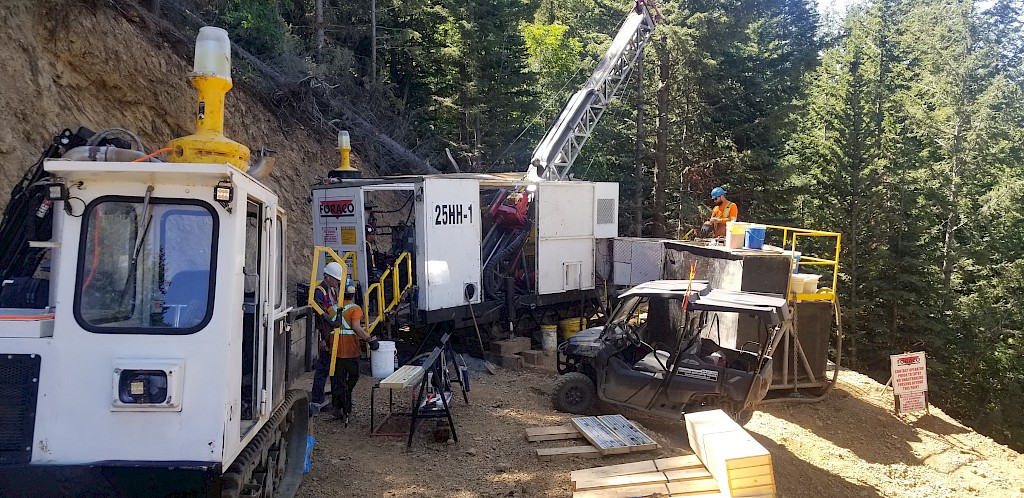
Endurance Gold (TSXV: EDG; US-OTC: ENDGF) intersected fresh gold-antimony areas at its Reliance brownfield project in British Columbia, as the company works to build on an initial 1.45-million oz. gold…
ENERGY FINANCE STRATEGIST MOSTAFA BUSHEHRI JOINS WE RECYCLE SOLAR AS CHIEF OF STAFF & HEAD OF CAPITAL FORMATION
Bushehri will lead $100 institutional raise for We Recycle Solar’s nationwide critical materials recovery network buildout.
YUMA, AZ, UNITED STATES, October 21, 2026 /EINPresswire.com/ — We Recycle Solar (WRS), America’s first dedicated utility-scale …
The engineering firm Équipe Laurence adds a key link to its network with the opening of a regional office in Quebec City
The firm extends its network with this 10e regional office.
MONTREAL, QUéBEC, CANADA, October 21, 2026 /EINPresswire.com/ — (Quebec City, October 20, 2026) – The civil engineering firm Équipe Laurence has just reached another important milestone in …
Copper boom belies a deepening ‘mining recession’ in top producermining.com
Chile’s aging copper mines have been battered by deadly accidents, extreme weather and operational missteps.
BHP misses quarterly copper output estimates on Chile disruptionsmining.com
Output from BHP’s Escondida, the world’s largest copper mine, slipped 23%.